





Expo
view channel
view channel
view channel
view channel
view channel
view channel
view channel
view channel
AICritical Care
Patient CareMedical ImagingHealth ITPoint of CareBusiness
Events
Webinars

- Wearable Hormone Monitor Enables At-Home Detection of Primary Aldosteronism
- Contactless AI Tool Detects Hypertension and Diabetes from Facial Video
- AI Tool Predicts Bladder Cancer from Electronic Health Records
- New Multimodal Framework Targets Debilitating Form of Heart Failure
- Personalized Neuromodulation System Receives FDA Clearance for PTSD Treatment
- Biodegradable Gastric Stent Could Eliminate Repeat Procedures After Bariatric Surgery
- Robot-Assisted Surgery Shows Advantages Over Laparoscopy in Gastric Cancer
- New Implant-Based System Gains FDA Approval for GERD Treatment
- Heartbeat-Powered Pacemaker Could Eliminate Battery Replacement Surgery
- 3D Bioprinting Method Enhances Bone Repair by Promoting Blood Vessel Growth
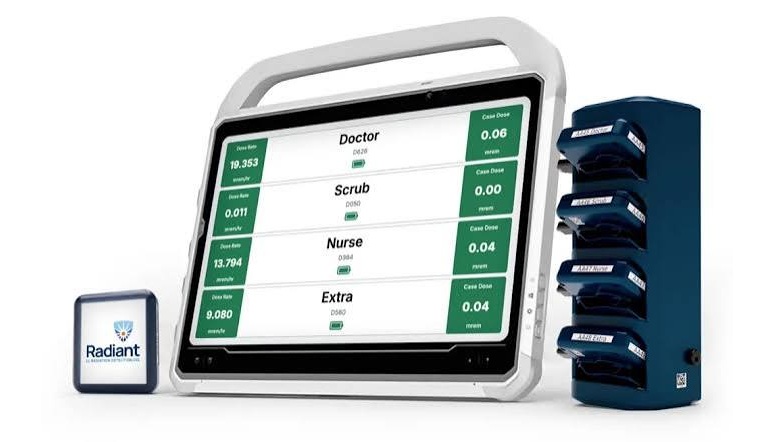
- Real-Time Radiation Monitor Supports Safer Fluoroscopy-Guided Procedures
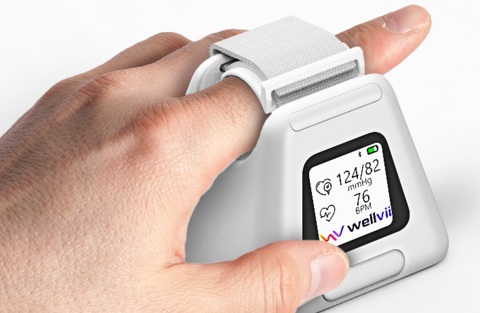
- FDA-Cleared Finger Cuff Device Enables Home Blood Pressure Monitoring
- AI Avatar Doctor Improves Patient Understanding Before Radiotherapy
- Wearable Sleep Data Predict Adherence to Pulmonary Rehabilitation
- Revolutionary Automatic IV-Line Flushing Device to Enhance Infusion Care
- Study Links Thymus Radiation Dose to Poorer Outcomes in Lung Cancer
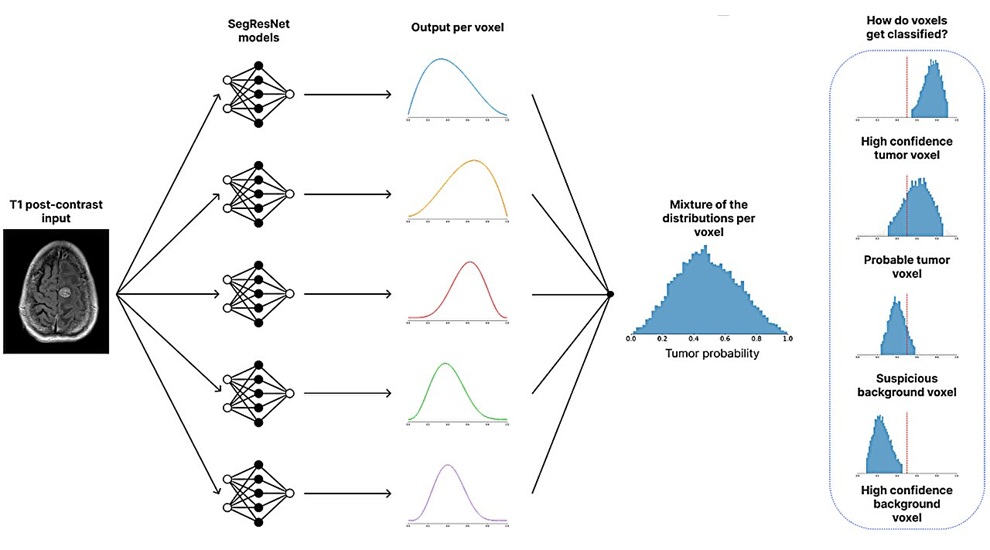
- Automated AI Tool Enables Uncertainty-Aware Meningioma Volume Tracking on MRI
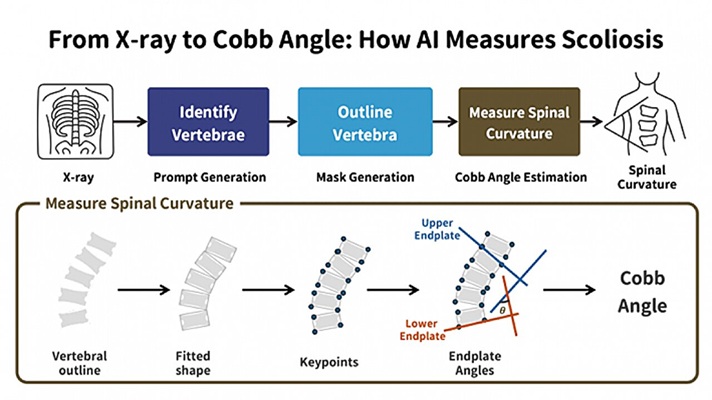
- AI Analyzes Spinal X-Rays to Standardize Scoliosis Assessment
- Imaging Precision Tool Enables Method Comparison Without Ground-Truth Data
- AI-Derived Brain Age from MRI Predicts Future Dementia Risk
- FDA Approval Clears Path for BCI Integration with Personal Computing Devices
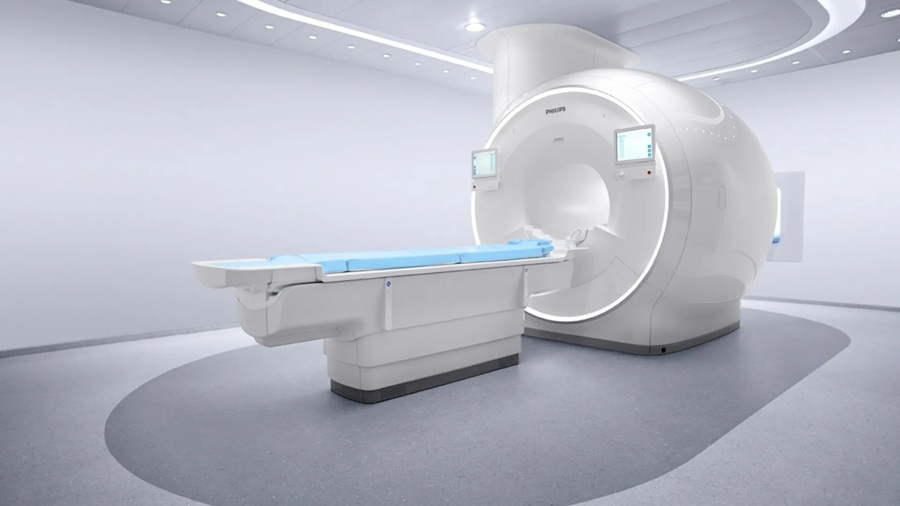
- Philips and Imricor Collaboration Advances MRI-Guided Cardiac Procedures
- Abbott LAA Occluder Gains CE Mark for AFib Stroke Risk Reduction
- FDA Seeks Feedback on Regulating Generative AI Medical Devices
- Smart Hospital Market Set for Strong Growth as Digital Healthcare Adoption Accelerates
- Digital Symptom Monitoring Supports More Personalized Breast Cancer Care
- Short Digital Training Program Improves Motor Function in Parkinson’s Disease
- New Cloud Platform Streamlines Capsule Endoscopy Workflow and Reporting
- Smartwatch Monitoring Identifies Abnormal Vital Signs Before Routine Checks
- Weekly Remote Symptom Monitoring Improves Symptom Control in Advanced Cancer
- AI Tool Uses Mammograms to Detect Common Cardiovascular Diseases
- AI Tool Predicts Post-Heart Attack Trajectories to Personalize Follow-Up
- AI Digital Twin Platform Supports Personalized Cancer Treatment
- Study Reveals Persistent Race and Gender Bias in Medical AI Models
- New Study Highlights Benefits and Risks of AI Explanations in Clinical Diagnosis
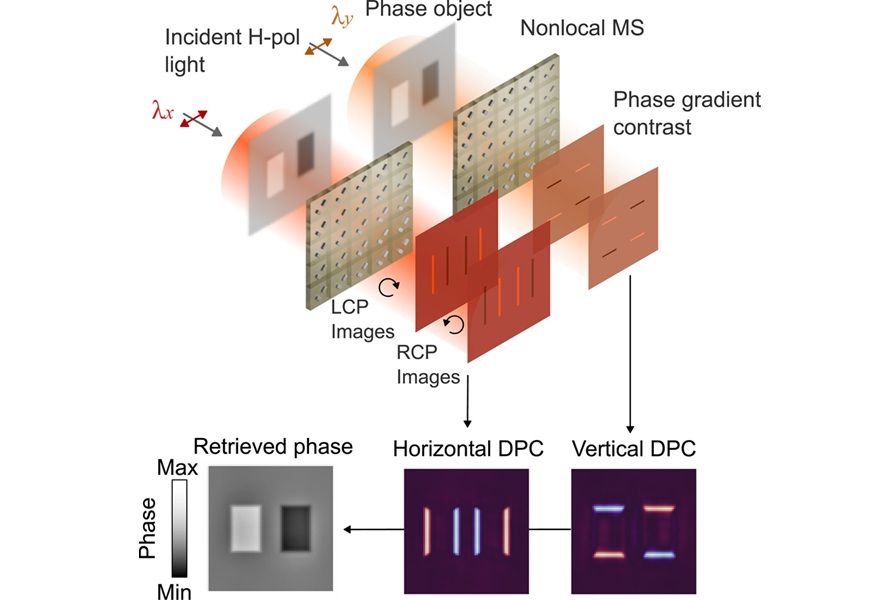
- Ultrathin Metasurface Could Bring Quantitative Phase Imaging to Portable Devices
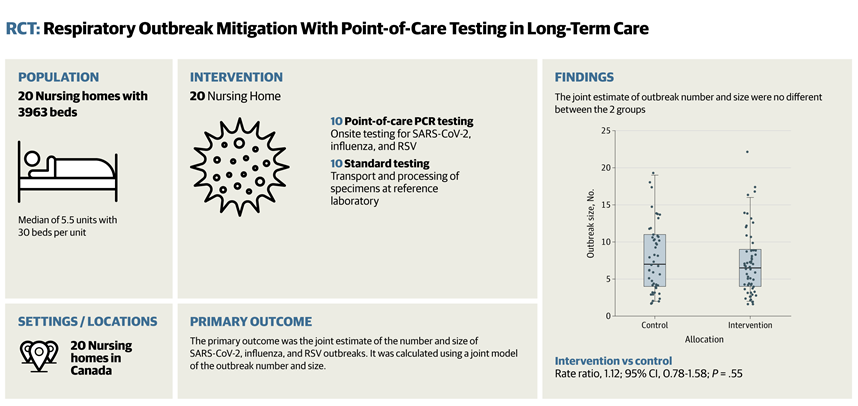
- Rapid Onsite Testing Reduces Emergency Department Transfers in Long-Term Care
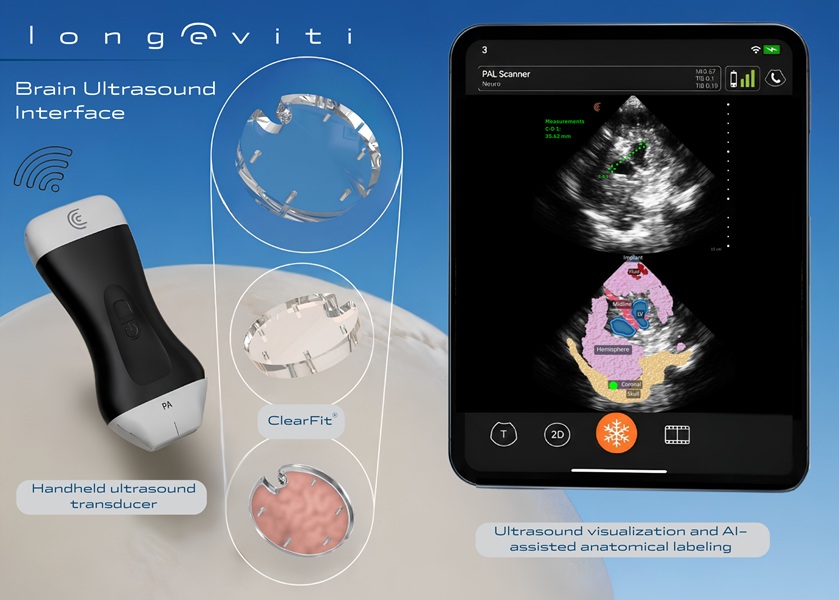
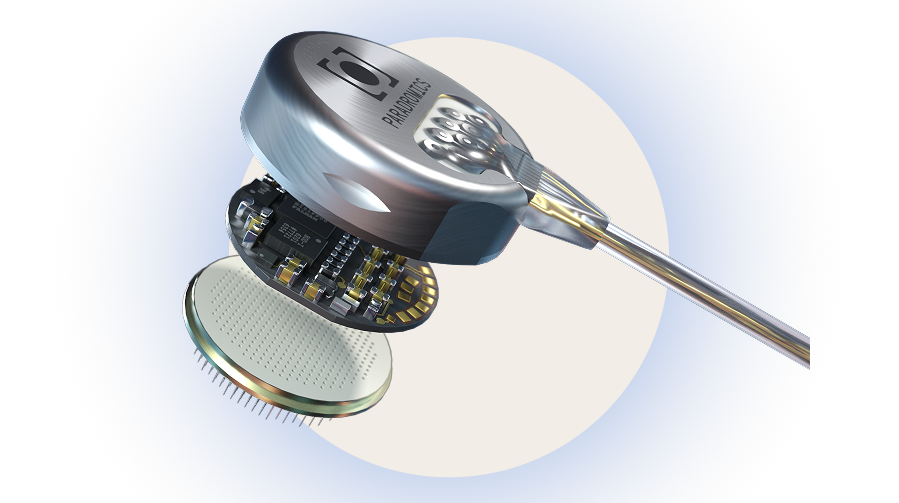
- New Brain Ultrasound Platform Enables Bedside Postoperative Imaging
- Handheld Ultrasound Expands Point-of-Care Imaging Access in Brazil
- AI Dermatology Platform Targets Early Detection of Non-Melanoma Skin Cancer
 Expo
Expo
- Wearable Hormone Monitor Enables At-Home Detection of Primary Aldosteronism
- Contactless AI Tool Detects Hypertension and Diabetes from Facial Video
- AI Tool Predicts Bladder Cancer from Electronic Health Records
- New Multimodal Framework Targets Debilitating Form of Heart Failure
- Personalized Neuromodulation System Receives FDA Clearance for PTSD Treatment
- Biodegradable Gastric Stent Could Eliminate Repeat Procedures After Bariatric Surgery
- Robot-Assisted Surgery Shows Advantages Over Laparoscopy in Gastric Cancer
- New Implant-Based System Gains FDA Approval for GERD Treatment
- Heartbeat-Powered Pacemaker Could Eliminate Battery Replacement Surgery
- 3D Bioprinting Method Enhances Bone Repair by Promoting Blood Vessel Growth
- Real-Time Radiation Monitor Supports Safer Fluoroscopy-Guided Procedures
- FDA-Cleared Finger Cuff Device Enables Home Blood Pressure Monitoring
- AI Avatar Doctor Improves Patient Understanding Before Radiotherapy
- Wearable Sleep Data Predict Adherence to Pulmonary Rehabilitation
- Revolutionary Automatic IV-Line Flushing Device to Enhance Infusion Care
- Study Links Thymus Radiation Dose to Poorer Outcomes in Lung Cancer
- Automated AI Tool Enables Uncertainty-Aware Meningioma Volume Tracking on MRI
- AI Analyzes Spinal X-Rays to Standardize Scoliosis Assessment
- Imaging Precision Tool Enables Method Comparison Without Ground-Truth Data
- AI-Derived Brain Age from MRI Predicts Future Dementia Risk
- FDA Approval Clears Path for BCI Integration with Personal Computing Devices
- Philips and Imricor Collaboration Advances MRI-Guided Cardiac Procedures
- Abbott LAA Occluder Gains CE Mark for AFib Stroke Risk Reduction
- FDA Seeks Feedback on Regulating Generative AI Medical Devices
- Smart Hospital Market Set for Strong Growth as Digital Healthcare Adoption Accelerates
- Digital Symptom Monitoring Supports More Personalized Breast Cancer Care
- Short Digital Training Program Improves Motor Function in Parkinson’s Disease
- New Cloud Platform Streamlines Capsule Endoscopy Workflow and Reporting
- Smartwatch Monitoring Identifies Abnormal Vital Signs Before Routine Checks
- Weekly Remote Symptom Monitoring Improves Symptom Control in Advanced Cancer
- AI Tool Uses Mammograms to Detect Common Cardiovascular Diseases
- AI Tool Predicts Post-Heart Attack Trajectories to Personalize Follow-Up
- AI Digital Twin Platform Supports Personalized Cancer Treatment
- Study Reveals Persistent Race and Gender Bias in Medical AI Models
- New Study Highlights Benefits and Risks of AI Explanations in Clinical Diagnosis
- Ultrathin Metasurface Could Bring Quantitative Phase Imaging to Portable Devices
- Rapid Onsite Testing Reduces Emergency Department Transfers in Long-Term Care
- New Brain Ultrasound Platform Enables Bedside Postoperative Imaging
- Handheld Ultrasound Expands Point-of-Care Imaging Access in Brazil
- AI Dermatology Platform Targets Early Detection of Non-Melanoma Skin Cancer



































 Client Login