




Expo
view channel
view channel
view channel
view channel
view channel
view channel
view channel
Medical Imaging
AICritical CareSurgical Techniques
Health ITPoint of CareBusiness
Events
Webinars

- AI Tool Identifies Children With Pneumonia Requiring Hospital Care
- AI Ultrasound System Improves Safety of Blood–Brain Barrier Opening
- CE-Marked Smartphone AI Enables Autonomous Skin Cancer Assessment at Point of Care
- Handheld Optical Device Screens for Early Necrotizing Enterocolitis in Preterm Infants
- Home Blood Pressure Telemonitoring Linked to Fewer Cardiovascular Events
- Computer-Assisted Vacuum Thrombectomy System Cleared for Stroke Care
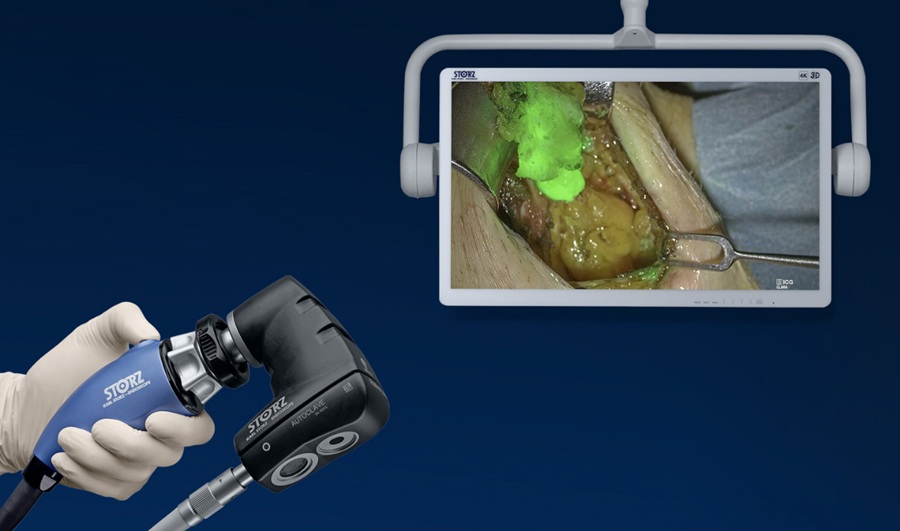
- Near-Infrared Exoscope Enables Real-Time Perfusion Assessment and Lymphatic Mapping in Open Surgery
- Expandable Lumbar Fusion System Gains FDA 510(k) Clearance
- New CAR T-Cell Therapy Enables Transplants in Hard-to-Match Kidney Patients
- CE-Marked Ultrasonic Shears Streamline Breast and Thyroid Surgery
- Wearable Sleep Data Predict Adherence to Pulmonary Rehabilitation
- Revolutionary Automatic IV-Line Flushing Device to Enhance Infusion Care
- VR Training Tool Combats Contamination of Portable Medical Equipment
- Portable Biosensor Platform to Reduce Hospital-Acquired Infections
- First-Of-Its-Kind Portable Germicidal Light Technology Disinfects High-Touch Clinical Surfaces in Seconds
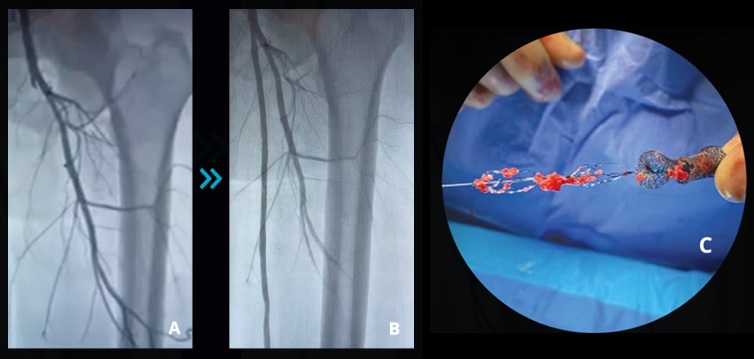
- Endologix Adds FDA-Cleared Peripheral Thrombectomy System
- Artivion Adds FDA-Approved NEXUS System to Aortic Arch Portfolio
- Olympus Partnership Aims to Expand Access to Robot-Assisted Endoscopic Therapy
- Johnson & Johnson Launches AI-Driven Cardiac Mapping System
- Proximie Advances AI-Driven Intelligent Operating Rooms with NVIDIA Collaboration
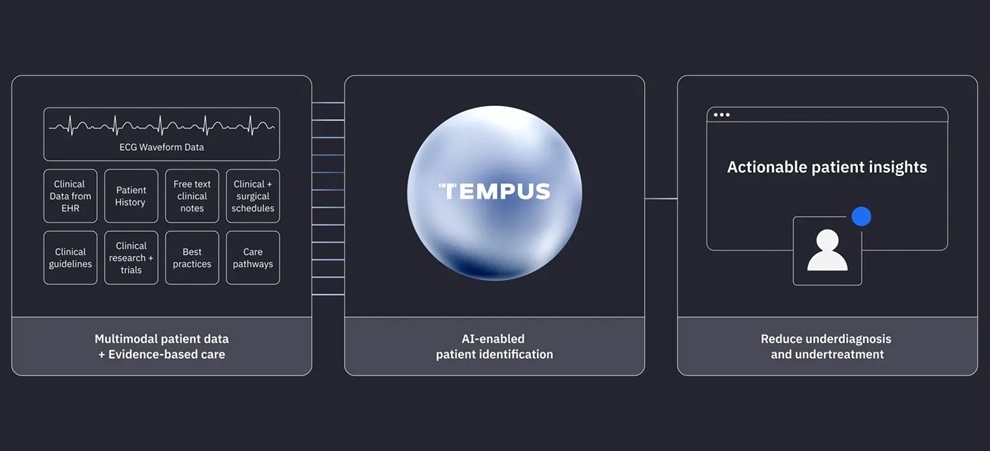
- AI-Enabled ECG Software Predicts One-Year Atrial Fibrillation Risk
- AI-Native EHR Achieves EU Medical Device Certification
- EHR-Integrated Screening Workflow Detects Cognitive Impairment at Admission
- AI System Detects and Quantifies Chronic Subdural Hematoma
- Continuous Monitoring Platform Detects Infection Risk Across Care Transitions
- AI Platform Supports Noninvasive Remote Hemodynamic Monitoring in Heart Failure
- AI Tool Predicts Unplanned Care and Symptom Burden in Cancer Survivors
- Automated Phone Speech Test Identifies Alzheimer’s Pathology for Prescreening
- FDA-Cleared AI System Detects Sepsis Earlier and Reduces Mortality
- Facial Image Analysis Tracks Biological Aging, Predicts Cancer Outcomes
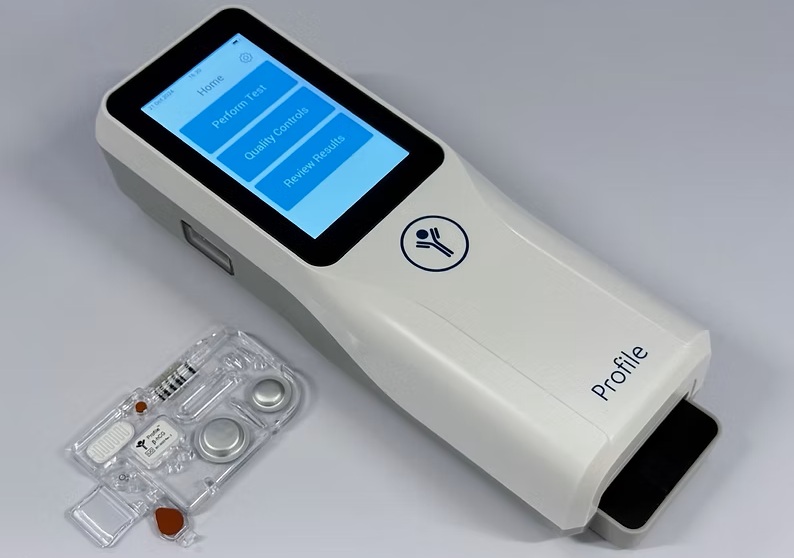
- Portable Immunoassay System Advances Toward Point-of-Care Biomarker Testing
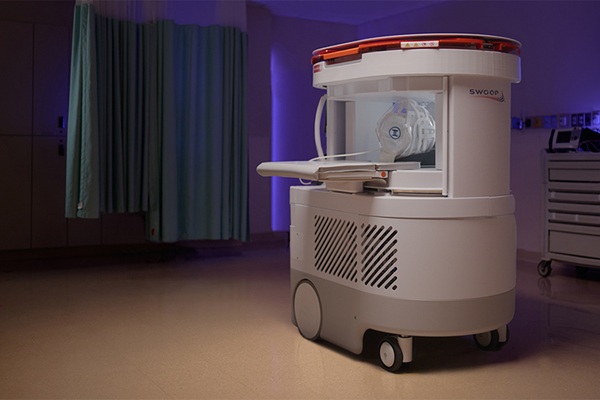
- Portable MRI System Accelerates Emergency Brain Imaging and Triage
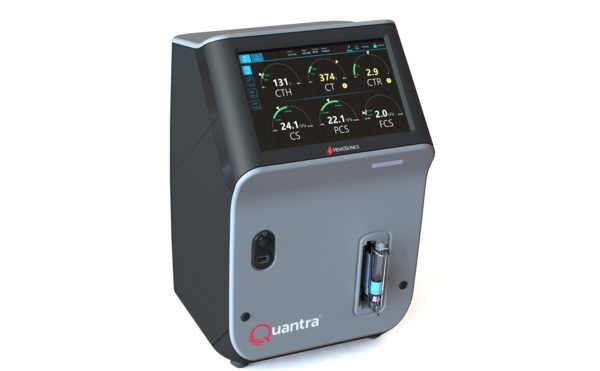
- Point-of-Care Viscoelastic Testing System Supports Obstetric Bleeding Management
- Portable MRI System Gains CE Mark for Point-of-Care Brain Imaging
- AI-Enabled Platform Supports Clinical Decision-Making in Melanoma Detection
 Expo
Expo
- AI Tool Identifies Children With Pneumonia Requiring Hospital Care
- AI Ultrasound System Improves Safety of Blood–Brain Barrier Opening
- CE-Marked Smartphone AI Enables Autonomous Skin Cancer Assessment at Point of Care
- Handheld Optical Device Screens for Early Necrotizing Enterocolitis in Preterm Infants
- Home Blood Pressure Telemonitoring Linked to Fewer Cardiovascular Events
- Computer-Assisted Vacuum Thrombectomy System Cleared for Stroke Care
- Near-Infrared Exoscope Enables Real-Time Perfusion Assessment and Lymphatic Mapping in Open Surgery
- Expandable Lumbar Fusion System Gains FDA 510(k) Clearance
- New CAR T-Cell Therapy Enables Transplants in Hard-to-Match Kidney Patients
- CE-Marked Ultrasonic Shears Streamline Breast and Thyroid Surgery
- Wearable Sleep Data Predict Adherence to Pulmonary Rehabilitation
- Revolutionary Automatic IV-Line Flushing Device to Enhance Infusion Care
- VR Training Tool Combats Contamination of Portable Medical Equipment
- Portable Biosensor Platform to Reduce Hospital-Acquired Infections
- First-Of-Its-Kind Portable Germicidal Light Technology Disinfects High-Touch Clinical Surfaces in Seconds
- Endologix Adds FDA-Cleared Peripheral Thrombectomy System
- Artivion Adds FDA-Approved NEXUS System to Aortic Arch Portfolio
- Olympus Partnership Aims to Expand Access to Robot-Assisted Endoscopic Therapy
- Johnson & Johnson Launches AI-Driven Cardiac Mapping System
- Proximie Advances AI-Driven Intelligent Operating Rooms with NVIDIA Collaboration
- AI-Enabled ECG Software Predicts One-Year Atrial Fibrillation Risk
- AI-Native EHR Achieves EU Medical Device Certification
- EHR-Integrated Screening Workflow Detects Cognitive Impairment at Admission
- AI System Detects and Quantifies Chronic Subdural Hematoma
- Continuous Monitoring Platform Detects Infection Risk Across Care Transitions
- AI Platform Supports Noninvasive Remote Hemodynamic Monitoring in Heart Failure
- AI Tool Predicts Unplanned Care and Symptom Burden in Cancer Survivors
- Automated Phone Speech Test Identifies Alzheimer’s Pathology for Prescreening
- FDA-Cleared AI System Detects Sepsis Earlier and Reduces Mortality
- Facial Image Analysis Tracks Biological Aging, Predicts Cancer Outcomes
- Portable Immunoassay System Advances Toward Point-of-Care Biomarker Testing
- Portable MRI System Accelerates Emergency Brain Imaging and Triage
- Point-of-Care Viscoelastic Testing System Supports Obstetric Bleeding Management
- Portable MRI System Gains CE Mark for Point-of-Care Brain Imaging
- AI-Enabled Platform Supports Clinical Decision-Making in Melanoma Detection





































 Client Login